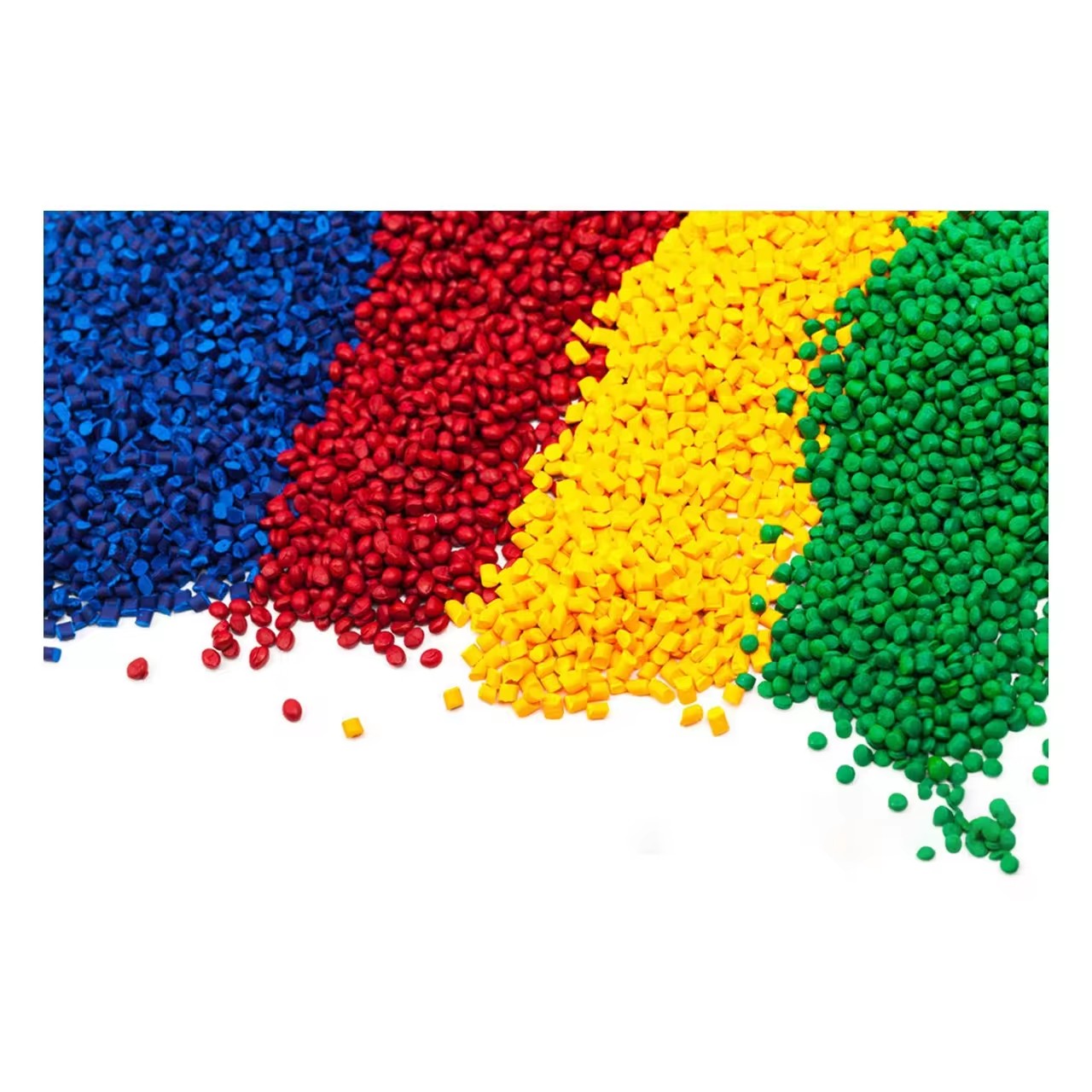
This product is made from high-purity resin as the base material, combined with flame retardants, reinforcing agents, antioxidants, and other additives. After extrusion and granulation, the resulting CPE sheath and insulation compounds offer strong heat resistance, weather resistance, and clean processing with no precipitation. They comply with RoHS requirements and are easy to extrude. The material meets GB/T5013.4&6, VDE0282-4&6, IEC 50363-2-1, JIS C3301, UL62, and other standards.
Hardness 60–90A, good flexibility, strong flame retardancy, and good oil resistance.
Available in electron-irradiated and vulcanized types, both with low extrusion temperatures and fast processing speeds.
Excellent electrical insulation performance, slightly lower than EPDM.
Strong weather resistance; maintains flexibility at –35°C. Common heat-resistance grades include 60°C, 90°C, and 105°C.
Suitable for power-cord sheaths that meet SE3, SE4, EM2, and EM3 requirements under GB5013, EN50525-2-21, EN50363-2-1, and VDE0282-4 (below 1 kV). Also suitable for insulation materials that meet IE4, EI4, and EI6 requirements from GB5013, EN50525-2-21, EN50363-1, and VDE0282-4.
Suitable for CPE insulation and sheath materials that comply with JIS C3301 (below 1 kV), and for products that meet UL62 requirements for 600 V and below.
Chlorinated polyethylene (CPE) is produced by chlorinating high-density polyethylene (HDPE). It offers strong resistance to heat aging, ozone, weathering, oils, solvents, and chemicals. It also provides good electrical performance and flame retardancy, making it a key material in the wire and cable industry.
In cable manufacturing, CPE is mainly used for sheaths. Because of its heat resistance, the maximum operating temperature of CPE cables can reach 75–85°C or higher. CPE vulcanizates maintain stable performance under harsh conditions thanks to excellent ozone and weathering resistance, and they are not prone to cracking. Its oil and chemical resistance also help ensure long-term stability in demanding environments.
While CPE’s electrical properties limit its use in high-voltage insulation, its heat resistance, aging resistance, and wear resistance make it an ideal choice for cable sheaths. Its flame retardancy is also notable—it does not support combustion and forms a protective ash layer that slows flame spread, improving cable safety.
CPE can be cross-linked by thermal processes or electron irradiation, offering flexibility in production. It is easy to process, mixes well with other polymers, and provides strong durability, which has led to widespread use in wire and cable applications.
| Testing items | VALUE | Typicalvalue | UNIT | Test Method | |
| Cable sheath material | |||||
| Specific Gravity | 1.52±0.03 | 1.52 | g/cm^3 | GB/T1033 | |
| Hardness | 72±3 | 72 | Shore A | GB/T-531/ISO7619 | |
| Tensile Strength | ≥ 7 | 8.2 | MPa | GB-T2951.11 | |
| Elongation at Break | ≥ 500 | 710 | % | GB-T2951.11 | |
| Cable Insulation material | |||||
| Specific Gravity | 1.61±0.03 | 1.61 | g/cm^3 | GB/T1033 | |
| Hardness | 80±3 | 80 | Shore A | GB/T-531/ISO7619 | |
| Tensile Strength | ≥ 3 | 4.1 | MPa | GB-T2951.11 | |
| Elongation at Break | ≥ 450 | 680 | % | GB-T2951.11 | |
| Environmental Requirement | |||||
| Meet ROHS、REACH。 | |||||
| Material | CPE Chlorinated Polyethylene | ||||
| Color | Sheath:Black、White、Grey Insulation:Black、White、Yellow、Brown、Blue、Green、Purple | ||||
| Shape | Granular | ||||
| Remark | / | ||||

 Angreen | Manufacturer of modified plastic cable granular materials
Jul. 02, 2024
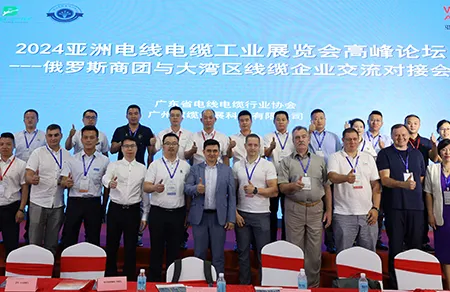 Angreen helps the 2024 Asia Cable Exhibition to be held successfully
Jul. 09, 2024
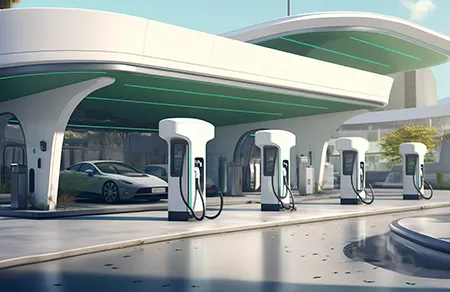 TPU/TPE charging pile cable sheath and insulation material
Jul. 16, 2024